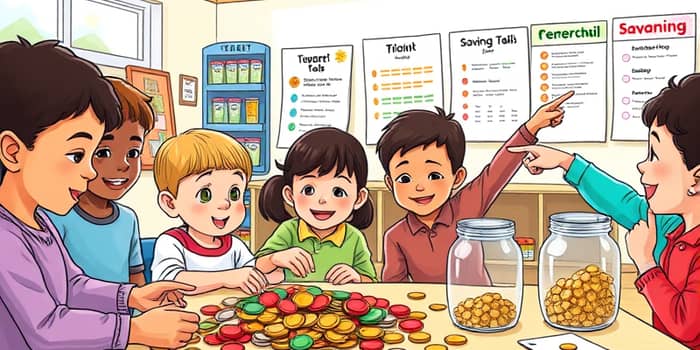
Financial literacy is a critical life skill that can transform a child’s future. By teaching money management concepts early, parents and educators set the stage for lifelong success. Young learners who grasp the value of saving, spending, investing, and giving gain confidence in money management and develop habits that reduce stress and foster independence.
With 90% of brain development occurring by kindergarten, the window for impactful learning opens well before grade school. Children as young as three can understand the four functions of money and benefit from simple, engaging activities. Starting early is not just an option—it’s essential for building resilient, responsible adults.
Why Early Financial Education Matters
Research shows that children who receive financial education by age seven exhibit stronger financial habits decades later. A Champlain College study (2023) reports that students with three years of high school financial education are at least 40% less likely to fall behind on credit payments and maintain credit scores roughly 25 points higher than their peers. These benefits remain detectable even 12 years after graduation.
By framing money as a tool rather than a toy, we reduce anxiety and promote emotional well-being. Financial stress ranks among the top causes of adult anxiety, yet early education can prevent many pitfalls. Teaching kids about budgeting and saving lays the foundation for financial health equals emotional health and supports stronger romantic and professional relationships in adulthood.
Age-Appropriate Teaching Strategies
Tailoring lessons to developmental stages ensures children remain engaged and comprehend core concepts. From simple games for preschoolers to real-world tasks for tweens, every age group can benefit from targeted activities.
For ages 3–7, use everyday moments and play-based learning to introduce basic ideas:
- Play “store” to distinguish between needs and wants
- Use clear jars for visualizing savings goals
- Read picture books like Bunny Money and A Chair for My Mother
- Sort coins by value during snack time
- Discuss cash versus card payments in real shopping trips
- Introduce the concept of giving with a coin jar for charity
As children approach tweens, deepen their understanding with formal activities:
- Open a youth savings account with parental guidance
- Explain how interest amplifies savings over time
- Create a chore-based allowance system to earn money
- Set specific savings goals for desired items
- Discuss credit cards, bills, and the consequences of debt
- Encourage small entrepreneurial projects like craft sales
- Use budgeting apps or simple spreadsheets for real expenses
Practical Tools and Methods
Hands-on experiences reinforce theoretical lessons. Visiting a bank, examining receipts, and demonstrating responsible shopping habits all bring financial concepts to life. Interactive games and quizzes can make learning fun while building essential skills.
Choosing the right financial products for children also matters. A table below outlines key features of a typical kids’ savings account:
Supplement account features with hands-on tools like piggy banks, clear jars, and pretend credit cards. Regularly review transactions and celebrate milestones to keep motivation high.
Long-Term Benefits and Generational Impact
Early financial education doesn’t just benefit individual children—it transforms families and communities. Parents of financially educated students often see improved credit scores and lower loan defaults, demonstrating a ripple effect of responsible behaviors across generations.
Financially literate adults are more likely to maintain emergency savings, avoid high-interest debt, and plan for retirement. They approach major life decisions—like buying a home or funding education—with confidence and foresight. By instilling these values early, we help children navigate unexpected expenses and build wealth steadily over time.
The long-term emotional and social gains are equally significant. Early exposure to money management fosters empathy, communication skills, and patience. Children learn to work toward shared goals, whether saving for a group project or donating a portion of allowance to charity.
Getting Started: Tips for Parents and Educators
Embarking on this journey requires commitment, creativity, and consistency. Small, everyday moments provide rich teaching opportunities. Below are practical tips to launch or enhance your child’s financial education:
- Integrate money talk into regular family conversations
- Use real dollars and coins before introducing digital money
- Set up a visible savings chart for ongoing motivation
- Encourage responsible spending by comparing prices
- Share your own budgeting process and financial values
- Celebrate achievements like meeting a savings goal
By weaving financial lessons into everyday life, you build a supportive environment where children feel empowered to ask questions and experiment. Remember, patience and positive reinforcement are key to nurturing a healthy money mindset.
It’s never too early to begin. Whether you start at age three or age seven, each lesson plants a seed that grows into lifelong financial responsibility and confidence. With engaging strategies, practical tools, and a supportive community, you can guide the next generation toward financial freedom and peace of mind.
References
- https://www.oldnational.com/resources/insights/why-teaching-kids-to-save-early-sets-them-up-for-financial-success/
- https://www.kidvestors.co/post/benefits-of-financial-literacy
- https://beaconfed.org/blog/financial-education-for-kids-why-it-matters-and-how-to-get-started-
- https://www.edutopia.org/article/financial-literacy-education-yields-big-returns/
- https://amshq.org/blog/at-home-family/2023-07-05-everything-you-need-to-know-about-teaching-children-financial-literacy/
- https://online.campbellsville.edu/education/financial-literacy-for-kids/
- https://extension.wvu.edu/youth-family/finances/blog/2025/05/01/teaching-kids-about-money-it-s-never-too-early-to-start
- https://news.byu.edu/intellect/kids-who-learn-money-management-from-parents-do-better-financially-relationally-according-to-new-byu-research
- https://www.centier.com/resources/articles/article-details/when-to-start-teaching-kids-about-money--a-quick-guide
- https://www.ubt.com/learning-center/blogs/5-reasons-teach-your-kids-about-money-now
- https://www.fdic.gov/consumer-resource-center/money-smart-young-people
- https://www.mycentric.org/blog/6-reasons-why-its-important-to-teach-your-children-to-save/
- https://www.youtube.com/shorts/Va4BJ69LzsU
- https://www.middlesexbank.com/About/What-s-New/Blog/August-2025/The-Importance-of-Financial-Literacy-for-Kids
- https://moneymatters.busey.com/how-important-is-financial-literacy-for-children