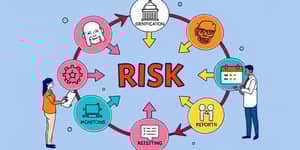
In an era of rapid change and interconnected ecosystems, organizations must rethink how they manage risk. Decentralized risk management empowers employees and autonomous units to identify, assess, and treat threats within their sphere, moving beyond rigid, top-down frameworks.
This article explores a transformative approach that blends the foundational ATV model with effective governance, culture building, strategic training, and real-world applications. Through practical guidance and inspiring examples, you will discover how to cultivate a resilient, agile organization where every team member is a proactive risk steward.
Foundational Elements of Decentralized Risk Management
The Assets-Threats-Vulnerabilities (ATV) model serves as the backbone of decentralized risk management. By focusing on what you can control, you build a clear pathway from asset inventory to risk treatment plan.
- Asset Inventory: Catalog valuable resources, from data and infrastructure to human capital.
- Threat Identification: Recognize potential events that could cause value loss.
- Vulnerability Assessment: Pinpoint weaknesses that threats might exploit.
- Risk Evaluation: Assess likelihood and impact to determine risk levels.
- Treatment Planning: Develop targeted strategies to mitigate, transfer, or accept risks.
Embedding continuous cycles of stakeholder communication and regular audits ensures that risk information flows seamlessly across decentralized units.
Governance, Risk, and Compliance in a Decentralized Ecosystem
Traditional GRC structures rely on central authorities to define policy, enforce controls, and conduct audits. In decentralized environments, sovereignty limits centralized influence. Here, governance means empowering each actor to align risk actions with organizational objectives and local requirements.
Self-audits and transparent reporting replace external oversight. Teams govern their own conduct, manage risks within their domain, and document compliance through shared platforms or distributed ledgers. This transparent reporting and self-governance fosters accountability and clarity about responsibilities: who does what, why, and when.
Leadership and Culture Building for Risk Empowerment
Leaders play a pivotal role in shifting from a compliance mindset to an ownership culture. They must model desired behaviors, remain accessible, and respond swiftly to reported risks.
- Visible Commitment: Senior leadership communicates expected behaviors and shows personal buy-in.
- Psychological Safety: Create an environment where employees feel free to speak up without fear.
- Open Dialogue: Encourage regular team discussions about emerging threats and near misses.
- Human Risk Sensors: Train individuals to identify subtle indicators of potential issues.
By establishing open, transparent team discussions, organizations convert frontline insights into actionable intelligence, reducing escalation delays and enhancing operational resilience.
Training, Development, and Incentives to Foster Ownership
Empowering employees requires comprehensive education on risk concepts and effective mitigation tactics. Interactive workshops, simulations, role-playing exercises, and case studies make learning engaging and memorable.
Align training modules with priority risks and long-term goals. A blend of classroom instruction, on-the-job coaching, and rotational assignments deepens understanding and builds cross-functional expertise. During onboarding, emphasize that every individual shares accountability for identifying and communicating risks.
Performance management systems reinforce risk-positive behaviors. Incorporate risk metrics into reviews, promotions, and compensation. Frequent coaching sessions, feedback loops, and recognition programs reward proactive contributions. Organizations that link incentives to risk outcomes often see tangible improvements in compliance rates and incident reductions.
Organizational Structures Supporting Decentralized Risk
Choosing the right structure is vital for scalability and clarity. Below is a summary of common models that balance autonomy with oversight.
Real-World Applications and Measurable Outcomes
Case studies demonstrate how decentralized risk management drives resilience and agility.
A technology firm implemented a safety initiative that reduced accident metrics by 20 percent. By empowering employees as risk owners, introducing performance scorecards across seventeen categories, and tying bonuses to safety goals, the organization saw rapid cultural transformation and sustained incident decline.
In naval aviation, decentralized decision-making enables pilots and crews to assess threats in real time. This frontline decisions without bureaucracy approach boosts operational responsiveness compared to rigid, top-down commands.
DeFi insurance platforms such as Nexus Mutual use smart contracts to automate claims and distribute risk across participants. These protocols exemplify how autonomous governance and transparent self-audits can replace traditional intermediaries, creating efficient and trustless risk-sharing solutions.
Actionable Steps to Start Your Decentralized Journey
Begin by piloting decentralized risk practices within a small team or business unit. Use these steps to guide your implementation:
- Map your ATV components for a focused scope.
- Form a cross-functional risk ambassador network.
- Launch interactive training and simulation programs.
- Integrate risk metrics into review cycles and incentives.
- Deploy governance platforms that support real-time reporting.
Regularly review outcomes, gather feedback, and iterate. By continuously refining your approach, you will embed risk awareness into the fabric of your organization, transforming every employee into a proactive safeguard against threats.
Transform every employee into a proactive safeguard through decentralized risk management is more than a methodology—it is a cultural shift that enhances agility, fosters ownership, and builds resilience in an unpredictable world. Start today and unlock the collective power of your team to navigate uncertainty with confidence.
References
- https://essif-lab.github.io/framework/docs/terms/pattern-decentralized-grc
- https://trainingmag.com/empowering-people-to-remedy-risk/
- https://empoweredsystems.com/blog/fostering-a-culture-of-risk-awareness-for-sustainable-success/
- https://cardanofoundation.org/blog/increasing-operational-resilience-through-decentralization
- https://www.thehrdirector.com/features/covid/how-to-empower-your-people-to-become-your-greatest-risk-management-asset/
- https://leadershipcircle.com/blog/risk-management-strategy/
- https://opencover.com/learn-and-resources/transforming-risk-management/
- https://www.talentlms.com/blog/risk-management-training/
- https://www.anecdotes.ai/post/post-m-n-a-grc
- https://www.marshmma.com/us/insights/details/employee-risk-management.html
- https://mitsloan.mit.edu/centers-initiatives/institute-work-and-employment-research/three-steps-managers-can-take-to-empower-workers
- https://www.skillcast.com/blog/10-ways-improve-risk-management-work